


Losing a single tooth can affect more than your smile. It may influence how you chew, speak, and maintain the alignment of your remaining teeth. Replacing a missing tooth is not only about appearance but also about preserving your long-term oral health.
Two of the most common treatment options are a single tooth dental implant and a dental bridge. Both can restore function and improve your smile, but they differ in how they are placed, how they support the surrounding teeth, and their long-term maintenance requirements.
There is no one-size-fits-all solution. The right choice depends on factors such as your oral health, jawbone condition, neighboring teeth, budget, and personal preferences.
Dr. Mohammed Moin Holy provides comprehensive restorative dental care and helps patients understand the advantages and considerations of each treatment option before making a decision.
What Is A Single Tooth Implant?
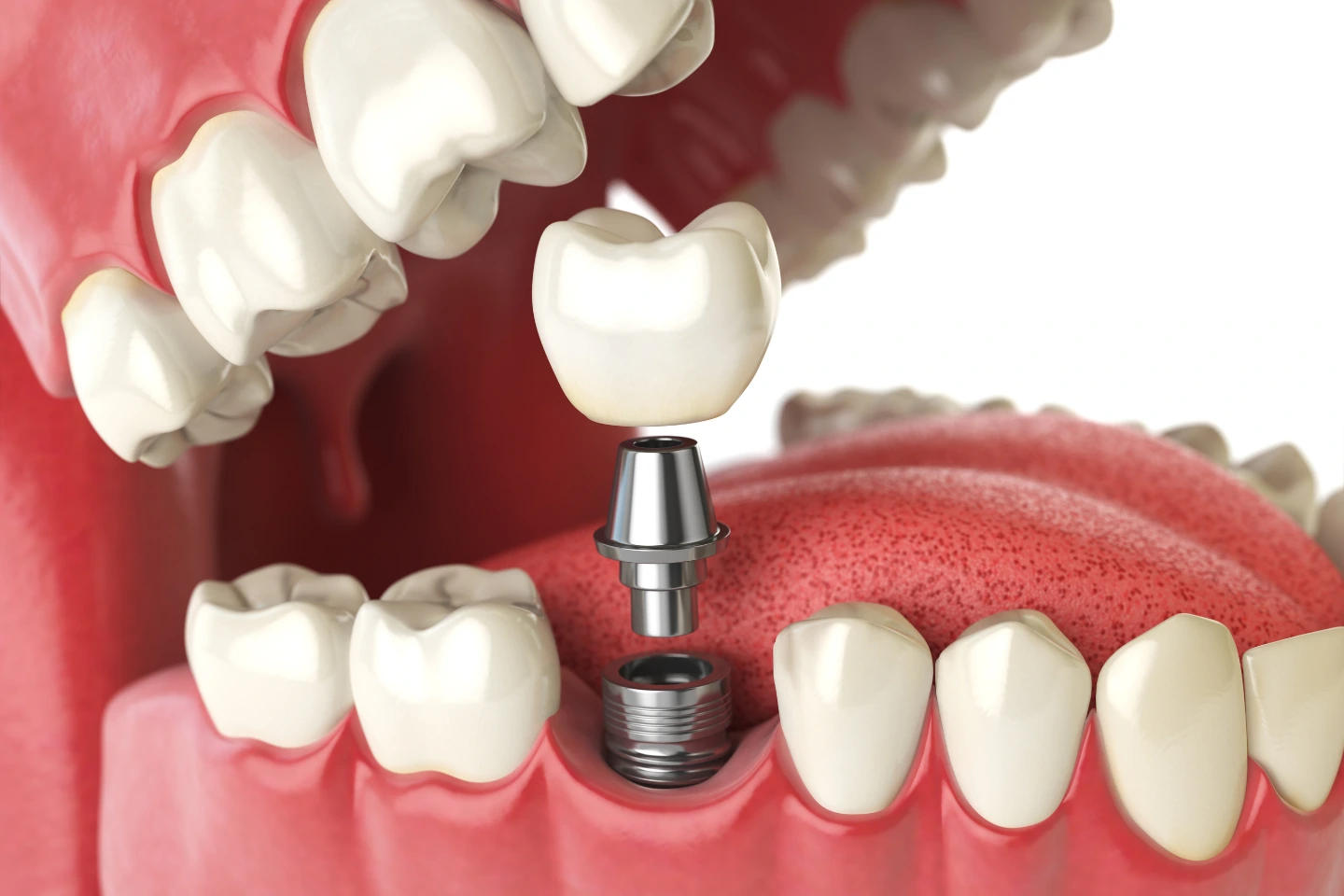
A dental implant is an artificial tooth root, usually made of titanium, that is surgically placed into the jawbone. Once the implant integrates with the bone, a custom-made dental crown is attached to restore the appearance and function of the missing tooth.
Unlike a bridge, the implant replaces both the tooth root and the visible portion of the tooth.
What Is A Dental Bridge?
A dental bridge replaces a missing tooth by using the neighboring teeth as support.
The teeth on either side of the gap are prepared to receive dental crowns, and an artificial tooth, called a pontic, is attached between them. Together, these crowns and the replacement tooth form the bridge.
A bridge restores the visible tooth but does not replace the missing tooth root.
Single Tooth Implant Vs Dental Bridge
Support
Dental Implant
- Supported by the jawbone
- Functions independently
- Does not rely on neighboring teeth
Dental Bridge
- Supported by adjacent natural teeth
- Requires those teeth to be prepared for crowns
- Impact On Neighboring Teeth
One of the biggest differences between these options is how they affect nearby healthy teeth.
With a dental implant:
- Adjacent teeth usually remain untouched.
- Healthy tooth structure is preserved.
With a dental bridge:
- The neighboring teeth generally need to be reshaped to support the bridge.
- This may involve removing healthy enamel from otherwise healthy teeth.
- Bone Health
When a tooth is lost, the jawbone beneath it may gradually shrink because it no longer receives stimulation from the tooth root.
A dental implant helps stimulate the jawbone and may reduce bone loss over time.
A dental bridge restores the missing tooth but does not provide stimulation to the underlying bone, so bone changes may still occur.
Appearance
Both treatment options are designed to closely resemble natural teeth.
Modern dental materials allow both implants and bridges to blend well with the surrounding teeth when properly planned and fabricated.
Function
Both implants and bridges can improve:
- Chewing ability
- Speech
- Smile appearance
- Overall oral function
Following successful treatment and proper maintenance, many patients are able to eat comfortably with either option.
Treatment Time
Dental Implant
Treatment often involves several stages.
These may include:
- Consultation and imaging
- Implant placement
- Healing period while the implant integrates with the bone
- Placement of the final crown
Depending on individual healing, the process may take several months.
Dental Bridge
A bridge generally requires fewer appointments and can often be completed in a shorter time because it does not require healing of the jawbone.
Your dentist will recommend the most appropriate timeline based on your situation.
Longevity
Both implants and bridges can provide long-lasting results with proper care.
A dental implant may last for many years when supported by good oral hygiene and regular dental checkups.
Dental bridges also have a good long-term success rate but may eventually require replacement depending on factors such as wear, oral hygiene, and the health of the supporting teeth.
Individual outcomes vary from person to person.
Oral Hygiene
Proper oral hygiene is important regardless of the treatment chosen.
With dental implants:
- Brush twice daily.
- Floss around the implant as instructed.
- Attend regular professional cleanings.
With dental bridges:
- Special floss or interdental cleaning devices may be recommended to clean underneath the bridge.
- Maintaining healthy supporting teeth is essential.
Who May Be A Candidate For A Dental Implant?
You may be considered for a dental implant if you:
- Have one missing tooth
- Have healthy gums
- Have sufficient jawbone to support the implant or are a candidate for bone grafting if needed
- Maintain good oral hygiene
- Are medically suitable for implant surgery
A comprehensive examination is necessary to determine candidacy.
Who May Benefit From A Dental Bridge?
A dental bridge may be an option if you:
- Prefer a shorter treatment timeline
- Are not a suitable candidate for implant placement
- Have neighboring teeth that already require crowns
- Have medical or anatomical factors that influence treatment planning
Your dentist will discuss the advantages and limitations of each option.
How Is The Decision Made?
Choosing between an implant and a bridge depends on several factors, including:
- Bone quality and quantity
- Gum health
- Condition of neighboring teeth
- Overall oral health
- Medical history
- Treatment goals
- Financial considerations
A detailed clinical examination and dental imaging help determine the most appropriate treatment plan.
When Should You Replace A Missing Tooth?
It is generally advisable not to leave a missing tooth untreated for an extended period.
Replacing the tooth may help:
- Restore chewing efficiency
- Improve speech
- Maintain smile aesthetics
- Reduce movement of neighboring teeth
- Support overall oral function
Your dentist can recommend the most appropriate timing based on your individual situation.
Conclusion
Both single tooth implants and dental bridges are well-established options for replacing a missing tooth. While implants preserve neighboring teeth and help maintain jawbone health, bridges may offer a suitable alternative for patients based on their oral health, treatment goals, and clinical needs.
Dr. Mohammed Moin Holy provides personalized restorative dental care, carefully evaluating each patient's oral health to recommend the most appropriate tooth replacement solution for long-term function, comfort, and aesthetics.
FAQs
Q: Which lasts longer, a dental implant or a bridge?
A: Both can provide long-lasting results with proper care. Dental implants often have excellent long-term durability, while bridges may require replacement over time depending on the condition of the supporting teeth and oral hygiene.
Q: Does getting a dental implant hurt?
A: Implant placement is performed using appropriate anesthesia. Some temporary discomfort during recovery is expected, but most patients find it manageable with the recommended care.
Q: Can everyone get a dental implant?
A: Not everyone is an ideal candidate. Adequate bone support, healthy gums, and overall medical suitability are important considerations.
Q: Is a dental bridge completed faster than an implant?
A: In many cases, yes. Dental bridges generally require fewer appointments because they do not involve the healing period needed for implant integration.
Q: Which option looks more natural?
A: Both dental implants and bridges are designed to closely match your natural teeth. Your dentist will customize the restoration to achieve a natural appearance.
If you have a missing tooth and are unsure whether a dental implant or dental bridge is the right choice, schedule a consultation with Dr. Mohammed Moin Holy. He provides comprehensive evaluations and personalized treatment plans to help restore your smile with the option best suited to your oral health and long-term needs.

Your Trusted Dentist in Mumbai!
Experience dental care like never before with Dr. Mohammed Moin Holy. At DentAesthe, your smile gets the attention it deserves.
©2026 | Dr. Mohammed Moin Holy | All Rights Reserved | Digital Marketing By Remedo